AI Reporting Helped Cut 18% Material Waste for a Leading Manufacturer
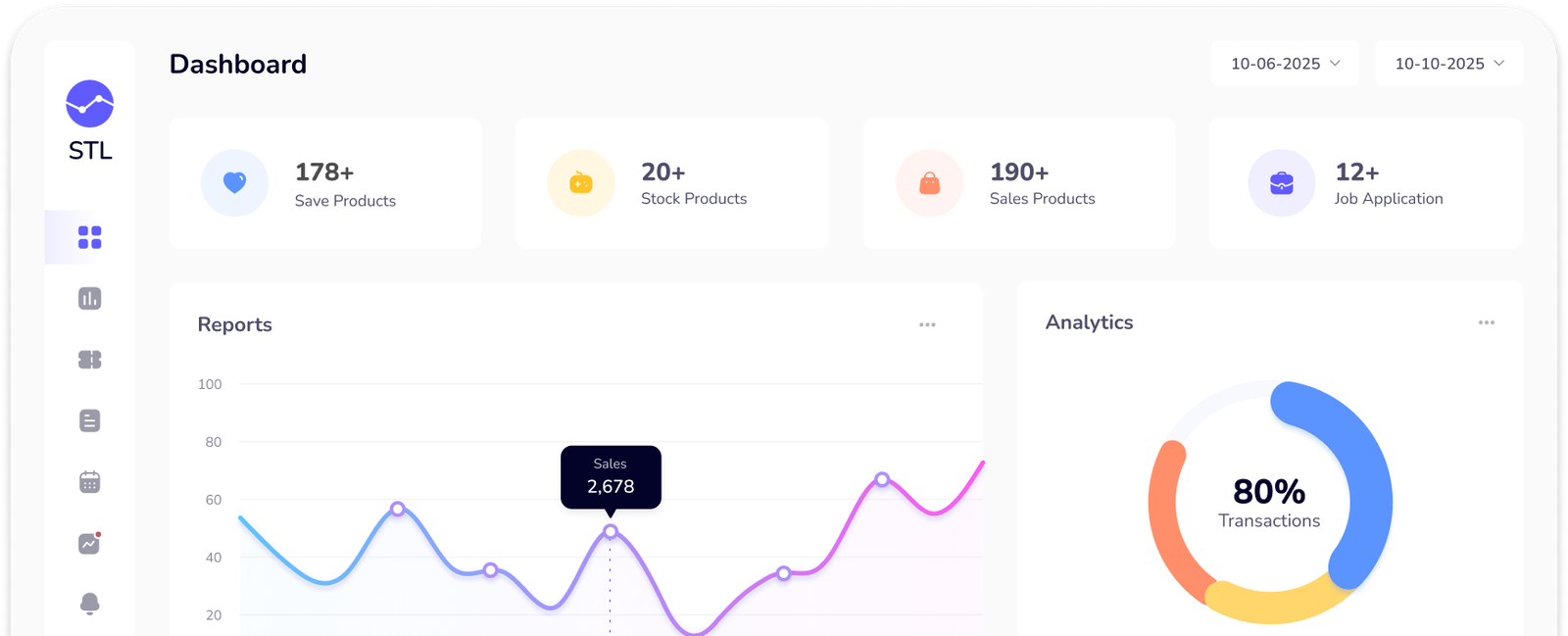
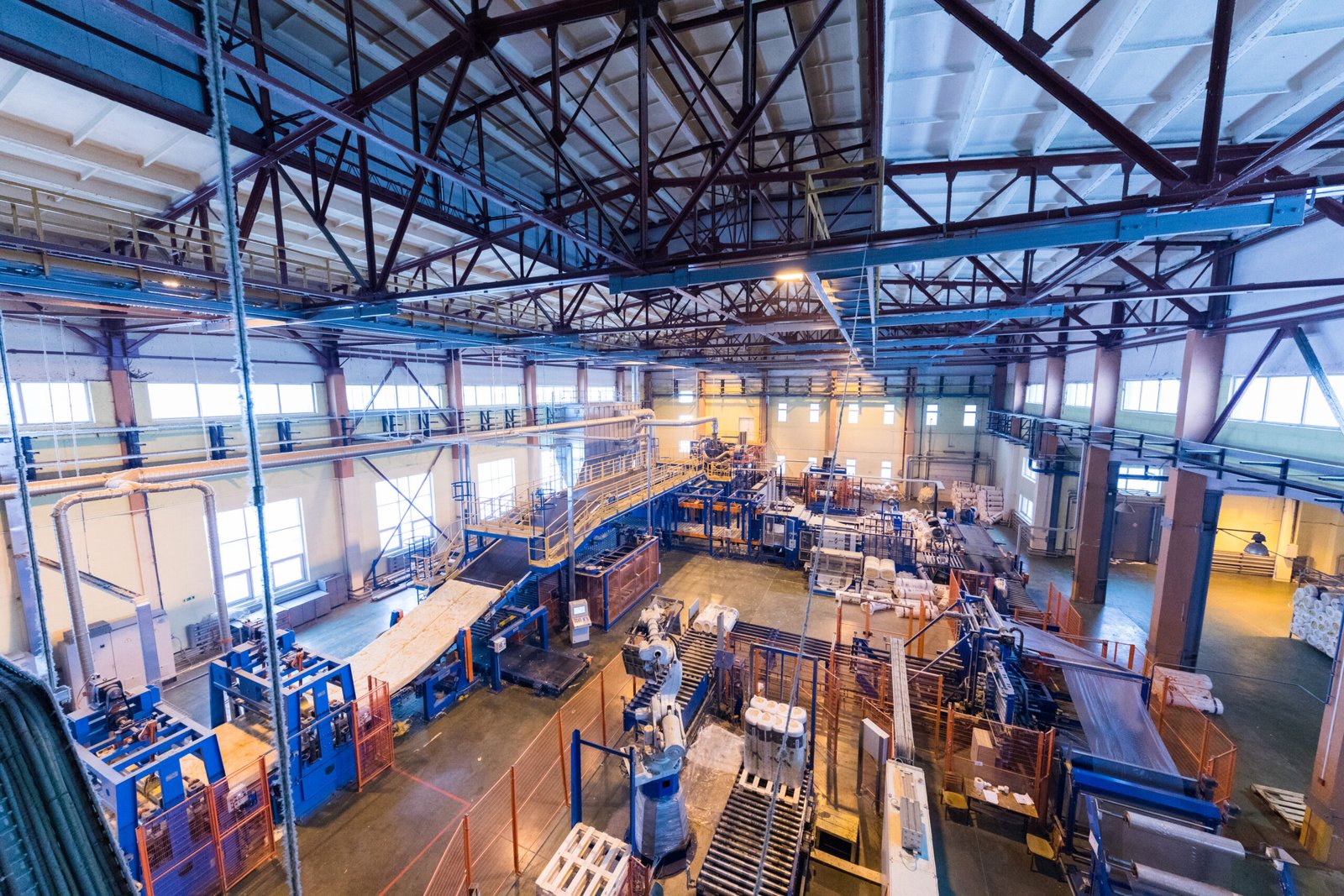
In manufacturing environments, delays in reporting and siloed production data often result in missed opportunities for optimization and waste reduction. One effective approach is implementing a real-time production dashboard that pulls data directly from ERP systems and shop-floor equipment.
When paired with AI-driven anomaly detection and automated reporting, these dashboards can surface inefficiencies early long before they become costly. In one such case, a leading manufacturer was able to reduce manual reporting efforts by 60% and achieve an 18% decrease in material waste within the first quarter of rollout.
These results highlight the value of aligning data systems with operational KPIs, enabling smarter decisions and faster course correction on the factory floor.

BI & Governance Improved Compliance for a Healthcare Provider
In healthcare organizations, data is often spread across EMR systems, billing platforms, and departmental tools making it difficult to maintain regulatory compliance and cross-functional visibility.
Implementing a centralized data governance framework, combined with a robust business intelligence (BI) rollout, helps align data access, definitions, and reporting standards across the organization. In one case, a regional healthcare provider established a governed data warehouse and deployed department-specific dashboards using Power BI and Tableau.
This not only improved audit readiness and HIPAA compliance but also empowered clinical and operations teams with real-time visibility into patient flow, resource utilization, and financial performance resulting in faster decisions and fewer manual reporting cycles.

Real-Time BI Dashboards Reduced Dropout Rates by 12% in Higher Ed
In many academic institutions, decision-makers struggle with siloed data across departments, making it difficult to monitor student performance in real time. Without a consolidated view, early academic interventions are delayed, and dropout risks increase.
By deploying real-time BI dashboards, department heads and academic directors gained a unified view of attendance, grades, and student engagement across cohorts. These dashboards pulled data from learning management systems, attendance tools, and internal grading systems into one cohesive platform.
The improved visibility enabled more timely academic planning and targeted support for at-risk students. As a result, one institution saw a 12% reduction in dropout rates within the academic year — demonstrating how real-time intelligence can drive better outcomes in education.